
The Hidden Performance Chasm
While the average UK investor fills their £20,000 ISA allowance with 60% equity index funds and 40% bonds, Britain's wealthiest 1% are playing an entirely different game — and winning by margins that compound into life-changing sums.
Recent FCA transparency filings from discretionary wealth managers handling high-net-worth ISA portfolios reveal an average annual return of 8.3% over the past five years, compared to 3.1% for typical retail investor portfolios tracked by platform data. Over 20 years of maximum ISA contributions, this performance gap translates to a staggering £127,000 difference in final portfolio value.
What the Elite Actually Hold
The structural differences are stark. While retail investors typically hold 2-4 positions concentrated in broad market index funds, wealthy ISA holders maintain 12-18 distinct allocations across asset classes most ordinary investors have never heard of.
The Elite Allocation Model:
- 35% Global equities (but weighted heavily toward emerging markets and small-cap value)
- 25% Alternative credit instruments (REITs, infrastructure debt, peer-to-peer lending ETFs)
- 20% Commodity exposure (gold, oil, agricultural futures via ETCs)
- 15% Currency-hedged international bonds
- 5% Volatility instruments and inverse correlation plays
The Typical Retail Portfolio:
- 60% FTSE All-World or S&P 500 tracker
- 35% UK/Global bond index
- 5% Cash or money market funds
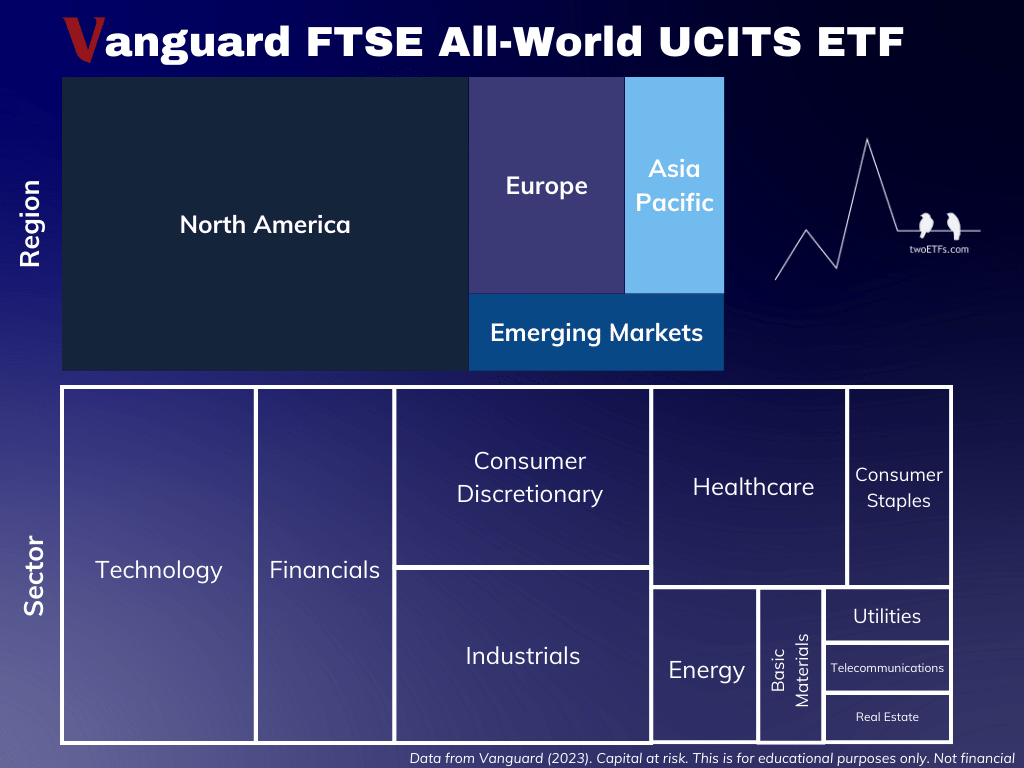 Photo: FTSE All-World, via i0.wp.com
The wealthy aren't just diversified differently — they're diversified intelligently. Where retail investors chase last year's winners, elite portfolios are structured around uncorrelated return streams that perform in different economic cycles.
The Private Credit Advantage
Perhaps the most significant difference lies in credit exposure. While ordinary ISA holders park money in bond index funds yielding 2-3%, wealthy investors access private credit proxies generating 6-8% annual income.
This isn't some exclusive hedge fund magic. UK retail investors can access similar instruments through ISA-eligible REITs like Tritax Big Box REIT (BBOX) or Blackstone Loan Financing (BGLF), both available on Hargreaves Lansdown and Interactive Investor. These provide exposure to commercial property debt and direct lending — the same asset classes institutional investors use to generate consistent mid-single-digit returns regardless of equity market performance.
 Photo: Tritax Big Box REIT, via static.seekingalpha.com
The Commodity Weighting Secret
Elite portfolios consistently maintain 15-25% commodity exposure, compared to virtually zero for typical retail investors. This isn't speculation — it's inflation protection and portfolio insurance.
During 2022's inflation spike, while bond funds lost 15-20%, commodity-heavy portfolios actually gained ground. Wealthy investors achieve this through ISA-eligible instruments like:
- iShares Physical Gold (SGLN) — available on all major platforms
- WisdomTree WTI Crude Oil (CRUD) — oil exposure without futures complexity
- Invesco DB Agriculture (DBA) — agricultural commodity basket
These aren't exotic instruments requiring minimum investments. They're standard ETCs available for £25 minimum purchases on platforms like Trading 212 and Freetrade.
The Geographic Arbitrage
While retail investors typically hold 70-80% UK and US assets, elite portfolios are genuinely global. Emerging market exposure averages 25% versus just 5% for ordinary ISA holders.
This geographic arbitrage has generated substantial alpha. Over the past decade, selective emerging market exposure through funds like JPMorgan Emerging Markets (JMG) has outperformed FTSE All-World by 2.1% annually — a difference that compounds to £47,000 over 20 years of maximum ISA contributions.
 Photo: JPMorgan Emerging Markets, via image.cnbcfm.com
How Ordinary Investors Can Close the Gap
The performance differential isn't due to exclusive access or minimum investment requirements. It's structural sophistication that any UK investor can replicate using mainstream platforms.
Step 1: Diversify Credit Exposure Replace 50% of bond allocation with REITs and infrastructure debt ETFs. Target 4-6% yield instead of 2-3% from government bonds.
Step 2: Add Commodity Insurance Allocate 10-15% to precious metals and energy ETCs. This isn't speculation — it's portfolio insurance that pays dividends during inflationary periods.
Step 3: Embrace Geographic Arbitrage Increase emerging market exposure to 15-20% through focused regional ETFs rather than broad global trackers that underweight developing economies.
Step 4: Use Correlation Intelligence Hold assets that perform differently in various economic cycles. When bonds fall, commodities often rise. When growth stocks struggle, value and dividend stocks may outperform.
Platform Implementation
This elite structure is achievable on any major UK investment platform:
- Hargreaves Lansdown: Full range of REITs, commodity ETCs, and regional ETFs
- Interactive Investor: Fixed £9.99 monthly fee makes frequent rebalancing cost-effective
- AJ Bell Youinvest: Competitive dealing charges for building multi-asset portfolios
- Vanguard UK: Limited to Vanguard funds but includes emerging market and REIT options
The Rebalancing Discipline
Perhaps most importantly, wealthy investors rebalance systematically. While retail investors often let winning positions run and losing positions languish, elite portfolios are rebalanced quarterly regardless of recent performance.
This disciplined approach — buying what's fallen and trimming what's risen — has historically added 1-2% annual alpha through pure mean reversion capture.
The Verdict
The elite ISA advantage isn't about exclusive access or insider information. It's about structural sophistication: holding uncorrelated assets, maintaining global diversification, accessing higher-yielding credit instruments, and rebalancing with discipline.
Every element of the wealthy investor playbook is available to ordinary UK savers through standard ISA-eligible instruments on mainstream platforms — the difference is knowing what to look for and having the conviction to build differently than the crowd.
This article is for informational purposes only and does not constitute financial advice. Your capital is at risk. Past performance is not a reliable indicator of future results.