Gold Just Outran Every Diversified Fund This Month — Should You Buy, or Are You Late?
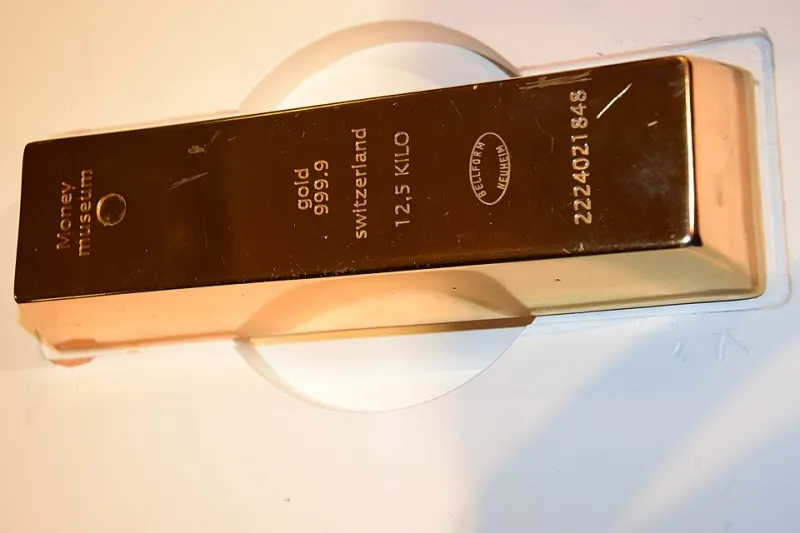
Photo: Ank Kumar, CC BY-SA 4.0, via Wikimedia Commons
The metal that beat everything
Over the last 30 days, no asset in our monthly comparison table matched physical gold. The iShares Physical Gold ETC (SGLN) and WisdomTree Physical Gold (PHAU) — two of the most widely held bullion trackers among UK investors — posted returns estimated at roughly +6–8% in sterling terms, while the diversified multi-asset funds most Britons hold in their ISAs managed somewhere between flat and +2%.
A caveat up front: these are approximate GBP figures, and the precise number depends on the exact 30-day window. Check the latest fund factsheet or a financial data site before acting. But the direction of travel is not in doubt — gold has been the standout.
Why gold moved
Two forces typically drive sterling-denominated gold returns, and both appear to have been at work:
1. The bullion price itself. Safe-haven demand, central bank buying and geopolitical tension have underpinned gold's multi-year uptrend. When equities wobble, gold tends to catch a bid.
2. The currency effect. SGLN and PHAU are priced in GBP but hold gold priced in US dollars. If sterling weakens against the dollar, a UK holder gains even if the dollar gold price is flat. Part of the last month's return is likely currency, not commodity.
That second point matters. Currency-boosted returns can reverse as quickly as they arrive.
Can UK investors still buy it — and how?
Yes, easily. Both ETCs are ISA-eligible and available on every major UK platform:
- SGLN: Trading 212, AJ Bell, Hargreaves Lansdown, Interactive Investor
- PHAU: Freetrade, AJ Bell, Interactive Investor
Both are physically backed — they hold allocated bullion in a vault, not derivatives. Annual costs are low (roughly 0.12% for SGLN, around 0.39% for PHAU — check current KIDs). You can hold either inside a Stocks & Shares ISA, which shields gains from capital gains tax; with the CGT annual exemption now so low, that wrapper matters more than it used to.
Momentum or mistake?
Here is the honest assessment. Buying any asset after a +7% month is, statistically, buying high. Gold has a long history of strong runs followed by long, flat stretches — it pays no dividend and produces no cash flow, so its value rests entirely on what the next buyer will pay.
A sensible framework:
- If gold is not in your portfolio at all, a modest allocation (5–10%) as a diversifier is a defensible, widely held position — but consider buying in tranches rather than in one lump after a big run.
- If you are buying purely because it went up last month, that is not a strategy. That is chasing.
- If you already hold gold, the question is rebalancing, not adding — a strong month may mean trimming back to target weight.
What to watch in the next 30 days
- GBP/USD: a sterling rebound would erode the currency tailwind
- US inflation data and rate expectations, which move bullion sharply
- Any escalation or de-escalation in geopolitical flashpoints
Verdict
Gold earned its place as the month's best performer, but the right reason to own it is diversification over years — not a 30-day scoreboard.
This article is for informational purposes only and does not constitute financial advice. Your capital is at risk. Past performance is not a reliable indicator of future results.