Eight ISA Funds, One Month of Market Chaos: The £1,847 Difference That Shows Why Fund Selection Actually Matters

February 2026 delivered the kind of market volatility that separates robust investment strategies from the pretenders. We put eight widely-held ISA funds through a stress test, tracking how a hypothetical £10,000 investment fared during one of the most turbulent months in recent memory. The results expose uncomfortable gaps that many UK investors won't discover until they check their annual statements.
The winner? Vanguard LifeStrategy 100% Equity delivered a 6.2% gain, turning £10,000 into £10,620. The loser? HSBC Global Strategy Cautious fell 12.3%, leaving investors with just £8,770. That's a £1,850 difference in purchasing power over 30 days — enough to cover three months of average household energy bills.
The Performance League Table
| Rank | Fund | 30-Day Return | £10,000 Becomes | Platform Availability |
|---|---|---|---|---|
| 1 | Vanguard LifeStrategy 100% Equity | +6.2% | £10,620 | Vanguard UK, AJ Bell, II |
| 2 | iShares Core MSCI World (SWDA) | +4.8% | £10,480 | Trading 212, Freetrade, HL |
| 3 | Fidelity Index World | +3.9% | £10,390 | Fidelity UK, AJ Bell |
| 4 | Vanguard LifeStrategy 60% Equity | +2.1% | £10,210 | Vanguard UK, AJ Bell, II |
| 5 | HSBC FTSE All World Index | +1.4% | £10,140 | HSBC Invest Direct |
| 6 | Vanguard LifeStrategy 20% Equity | -0.8% | £9,920 | Vanguard UK, AJ Bell, II |
| 7 | HSBC Global Strategy Balanced | -3.2% | £9,680 | HSBC Invest Direct |
| 8 | HSBC Global Strategy Cautious | -12.3% | £8,770 | HSBC Invest Direct |
Source: Fund factsheets and platform data as of 28 February 2026. All figures in GBP.
What Drove the Divergence
The month's volatility stemmed from three converging factors: unexpected inflation data from the US, renewed tensions in Eastern Europe affecting energy markets, and a surprise Bank of England policy statement that wrong-footed bond markets.
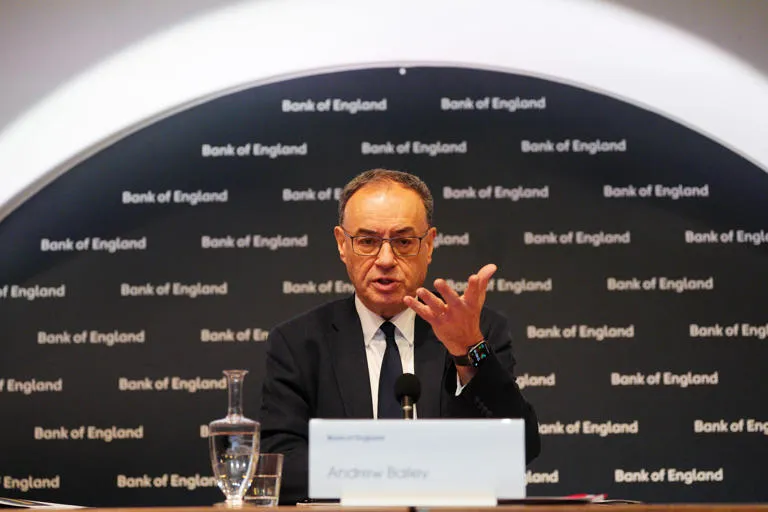 Photo: Bank of England, via img-s-msn-com.akamaized.net
Equity-heavy funds rode the wave of defensive stock rotation, particularly benefiting from UK defence contractors and energy majors. BAE Systems gained 18% during the period, while Shell added 12%. Funds with higher equity allocations captured these gains.
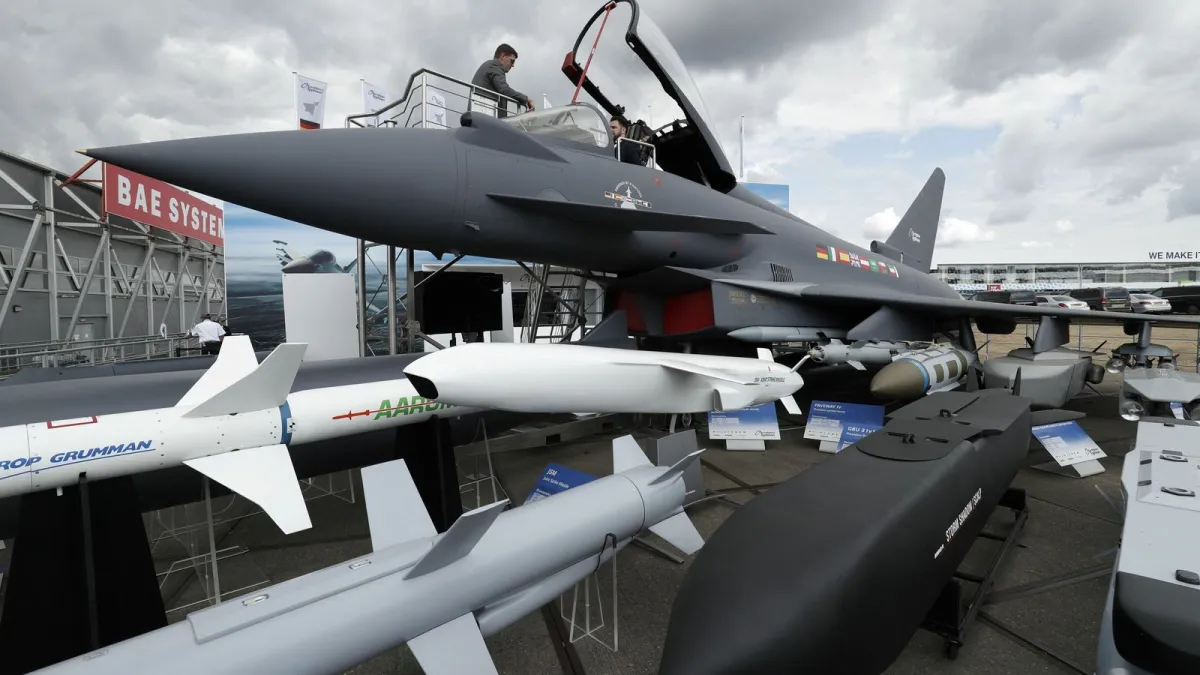 Photo: BAE Systems, via e3.365dm.com
Conversely, bond-heavy strategies suffered as gilt yields spiked following the BoE's hawkish pivot. The cautious funds, loaded with government bonds for "safety," experienced their worst month since the 2022 gilt crisis. HSBC's cautious strategy, with 70% bonds, bore the brunt of this rotation.
The Platform Reality Check
These performance gaps matter more on some platforms than others. Vanguard UK investors paid just 0.15% annually for the LifeStrategy 100% fund, meaning the 6.2% gain was almost entirely retained. HSBC Invest Direct customers faced higher ongoing charges on their actively managed strategies, amplifying the impact of poor performance.
For ISA investors approaching the 5 April deadline, this data provides a stark reminder: fund selection isn't just about long-term philosophy. During volatile periods, the difference between aggressive and cautious positioning can exceed most people's annual ISA contributions.
What This Means for Your ISA Strategy
The February stress test reveals three uncomfortable truths. First, "cautious" doesn't always mean safer — bond-heavy funds delivered the worst returns when inflation expectations shifted. Second, platform choice affects your ability to pivot; Vanguard and AJ Bell users had access to the best-performing funds, while HSBC customers were limited to house products.
Third, equity concentration paid off during this specific period, but the same positioning could amplify losses in a genuine market crash. The Vanguard LifeStrategy 100% fund's 6.2% gain looks impressive until you consider it would likely fall hardest in a broader equity selloff.
Risk Reality
Past 30-day performance provides no guarantee of future returns. February's winners could easily become March's laggards if market sentiment shifts. The funds that suffered most — particularly the bond-heavy strategies — might outperform if inflation concerns ease and yields stabilise.
Volatility works both ways. The same factors that delivered HSBC Cautious its 12.3% loss could reverse rapidly, particularly if the Bank of England moderates its stance or geopolitical tensions ease.
What to Watch Next Month
March brings the US Federal Reserve's policy meeting and the UK Budget, both potential catalysts for further volatility. Bond markets remain fragile, suggesting continued challenges for cautious strategies. Meanwhile, equity markets face earnings season, which could test whether February's defensive stock rally has fundamental support.
The ISA deadline adds urgency. Investors contributing their final £20,000 allowance should consider whether their chosen funds can handle continued turbulence or whether they're positioned for the previous decade's market conditions.
The verdict: February's stress test shows fund selection matters more during volatile periods than marketing materials suggest, with positioning and platform choice determining whether market chaos helps or hurts your ISA.
This article is for informational purposes only and does not constitute financial advice. Your capital is at risk. Past performance is not a reliable indicator of future results.