Five 'Safe' Places UK Investors Are Parking Cash Right Now That Are Quietly Losing Them Money in Real Terms

Five 'Safe' Places UK Investors Are Parking Cash Right Now That Are Quietly Losing Them Money in Real Terms
With UK inflation running at 3.2% in early 2026, millions of British savers are unknowingly watching their purchasing power evaporate in supposedly 'safe' investments. Here's the harsh mathematical reality of five popular choices — and what to do instead.
The Inflation Reality Check
At 3.2% annual inflation, £20,000 loses £640 of purchasing power every year it sits in a 0% return vehicle. Even investments returning 2-3% annually are losing ground in real terms. Here's what that looks like across five popular 'safe' havens.
1. Premium Bonds: The £640 Annual Wealth Destroyer
Current Prize Rate: 4.0% (but most investors receive far less) Real Return After Inflation: +0.8% (for average winners only) The Problem: Prize distribution is heavily skewed toward large holdings
Reality Check for £20,000 Investment:
- Theoretical annual return: £800
- Actual median return: £240 (based on NS&I distribution data)
- Real purchasing power loss: £400 annually
Millions hold Premium Bonds as a 'safe' cash alternative, but the mathematics are brutal. With £109 billion invested nationally, the majority of bondholders receive returns well below the headline rate.
Better Alternative: Marcus by Goldman Sachs Easy Access ISA at 4.1%
- Guaranteed return: £820 annually on £20,000
- Real return after inflation: +£180
- Platform: Direct from Goldman Sachs
- ISA eligible: ✅
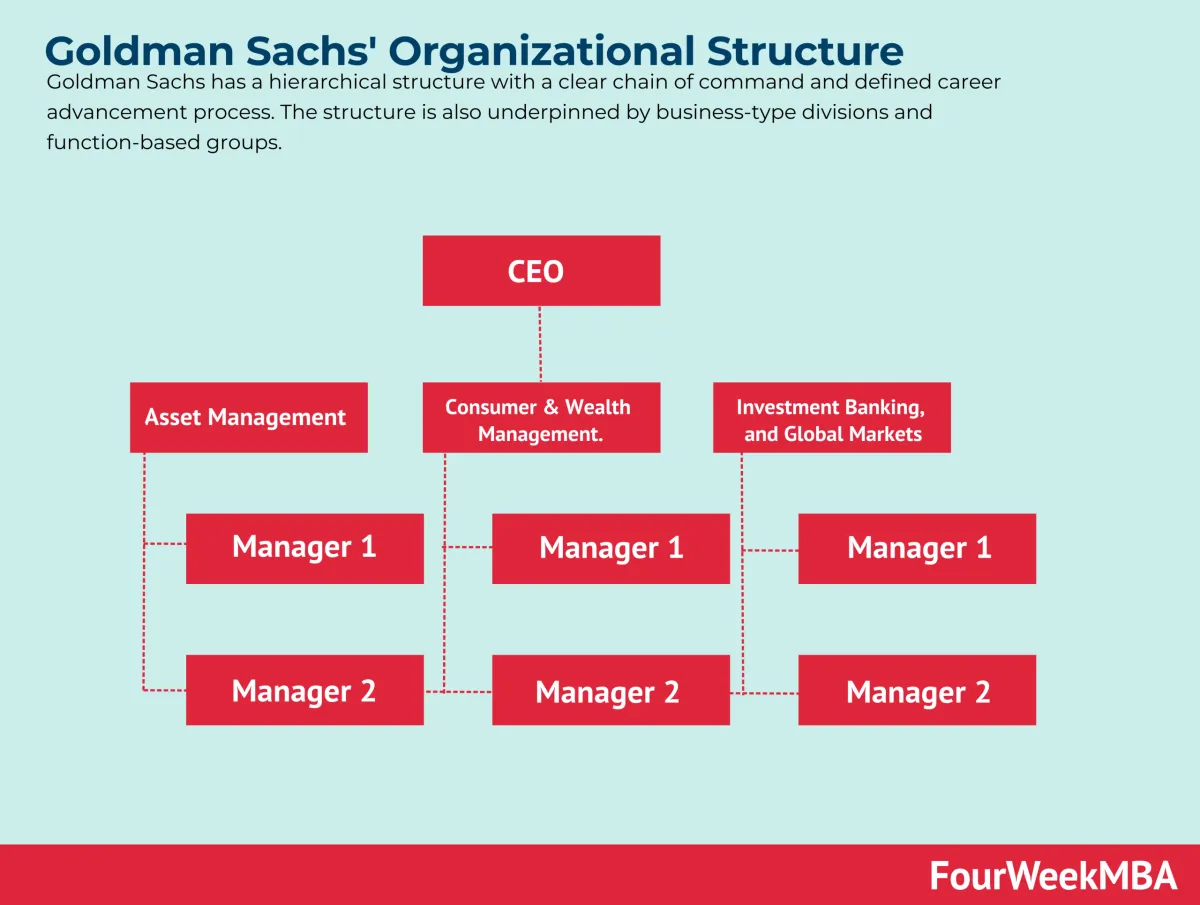 Photo: Goldman Sachs, via fourweekmba.com
2. Traditional Easy-Access Savings: The High Street Trap
Typical Rate: 1.5% (major high street banks) Real Return After Inflation: -1.7% Annual Purchasing Power Loss: £340 on £20,000
The Big Six banks continue offering derisory rates on easy-access accounts, relying on customer inertia. Barclays, HSBC, and Lloyds all offer standard easy-access rates below 2%.
Reality Check:
- £20,000 earning 1.5% = £300 annual interest
- Inflation impact = £640 purchasing power loss
- Net real loss = £340 annually
Better Alternative: Atom Bank Easy Access ISA at 4.2%
- Annual return: £840 on £20,000
- Real return after inflation: +£200
- Platform: Direct from Atom Bank app
- ISA eligible: ✅
3. Money Market Funds: The 'Professional' Illusion
Typical Return: 2.8% (after fees) Real Return After Inflation: -0.4% Annual Real Loss: £80 on £20,000
Money market funds like the Fidelity Cash Fund or BlackRock Institutional Cash appear sophisticated but deliver sub-inflation returns after fees.
Popular Examples:
- Fidelity Cash Fund: 2.7% gross, 2.5% after platform fees
- BlackRock Institutional Cash: 2.9% gross, 2.6% after charges
- Available on: Hargreaves Lansdown, Interactive Investor, AJ Bell
Better Alternative: iShares $ Treasury Bond 1-3yr UCITS ETF (IBTS)
- Recent 12-month return: 4.8% (GBP terms)
- Low volatility with inflation protection
- Platform: Most major brokers
- ISA eligible: ✅
- Risk level: Slightly higher but historically stable
4. Short-Dated UK Gilt ETFs: Government Guarantee, Guaranteed Loss
Example: iShares Core UK Gilts UCITS ETF (IGLT) 12-Month Return: 2.1% Real Return After Inflation: -1.1% Annual Real Loss: £220 on £20,000
UK government bonds with 1-5 year maturities offer capital preservation but fail the inflation test. The IGLT ETF, popular among conservative investors, has delivered consistent real-terms losses.
Performance Data:
- 1-year return: +2.1%
- 3-year annualised: +1.8%
- Available on: All major platforms
- Annual fee: 0.07%
Better Alternative: Vanguard Inflation-Linked Bond Index Fund
- Designed to match inflation plus small real return
- 12-month return: 4.1%
- Platform: Vanguard UK, Hargreaves Lansdown
- ISA eligible: ✅
- Inflation protection built-in
5. Fixed-Rate Bonds Below Inflation: The Time Trap
Typical Rate: 3.0% for 2-year fixed bonds Real Return After Inflation: -0.2% The Problem: Locked in for years while inflation potentially accelerates
Popular Examples:
- Atom Bank 2-year fixed: 3.1%
- Marcus 1-year fixed: 2.9%
- Cynergy Bank 3-year fixed: 3.2%
All deliver negative real returns while tying up capital for extended periods.
Better Alternative: Diversified Corporate Bond ETF
- Example: iShares Core UK Gilts UCITS ETF (SLXX)
- Recent return: 5.2% over 12 months
- Higher yield than government bonds
- Platform: Trading 212, Interactive Investor
- ISA eligible: ✅
The Compound Damage: Five Years of 'Safety'
Here's what happens to £20,000 over five years in each 'safe' option, assuming inflation remains at 3.2%:
| Investment | Nominal Value | Real Purchasing Power | Loss |
|---|---|---|---|
| Premium Bonds (median return) | £22,400 | £19,300 | £700 |
| High Street Savings (1.5%) | £21,500 | £18,500 | £1,500 |
| Money Market Fund (2.8%) | £22,900 | £19,700 | £300 |
| Short Gilt ETF (2.1%) | £22,200 | £19,100 | £900 |
| Fixed Bond (3.0%) | £23,200 | £20,000 | £0 |
Calculations assume compound growth and steady 3.2% inflation
What Actually Preserves Purchasing Power
Based on current market conditions, these alternatives offer genuine inflation protection:
- High-yield Cash ISAs above 4% — immediate access, inflation-beating returns
- Inflation-linked government bonds — explicit inflation protection mechanism
- Diversified equity index funds — historical inflation hedge over 5+ year periods
- Real estate investment trusts (REITs) — property typically rises with inflation
- Commodity ETFs — direct exposure to inflation-driving price increases
The Action Plan: Escaping the Inflation Trap
Immediate Steps:
- Move easy-access cash to highest-rate Cash ISA available
- Replace money market funds with higher-yielding alternatives
- Consider inflation-linked bonds for medium-term savings
Medium-term Strategy:
- Reduce cash holdings to 3-6 months' expenses maximum
- Invest excess in diversified equity funds for 5+ year horizons
- Use REITs or commodity exposure for inflation hedging
Platform Recommendations:
- High-yield cash: Marcus, Atom Bank, Ford Money
- Inflation-linked bonds: Vanguard UK, Hargreaves Lansdown
- Diversified investing: Interactive Investor (fixed fees), Trading 212 (commission-free)
The Bottom Line
'Safe' investing in 2026 means protecting purchasing power, not just avoiding nominal losses. With inflation at 3.2%, anything returning less than 4% is quietly destroying wealth. The biggest risk isn't market volatility — it's the guaranteed erosion of buying power through misplaced caution.
Move fast: every month in sub-inflation investments costs real money you'll never recover.
This article is for informational purposes only and does not constitute financial advice. Your capital is at risk. Past performance is not a reliable indicator of future results.
 Photo: Bank of England, via bitcoinworld.co.in
 Photo: London Stock Exchange, via c8.alamy.com